
ZENITH GLOBAL ECONOMICS

Navigating the Compleities of Global Trade and Economic Policy.

Latest News & Insights

Our analysis on the shifts and forces shaping the global economic landscape.

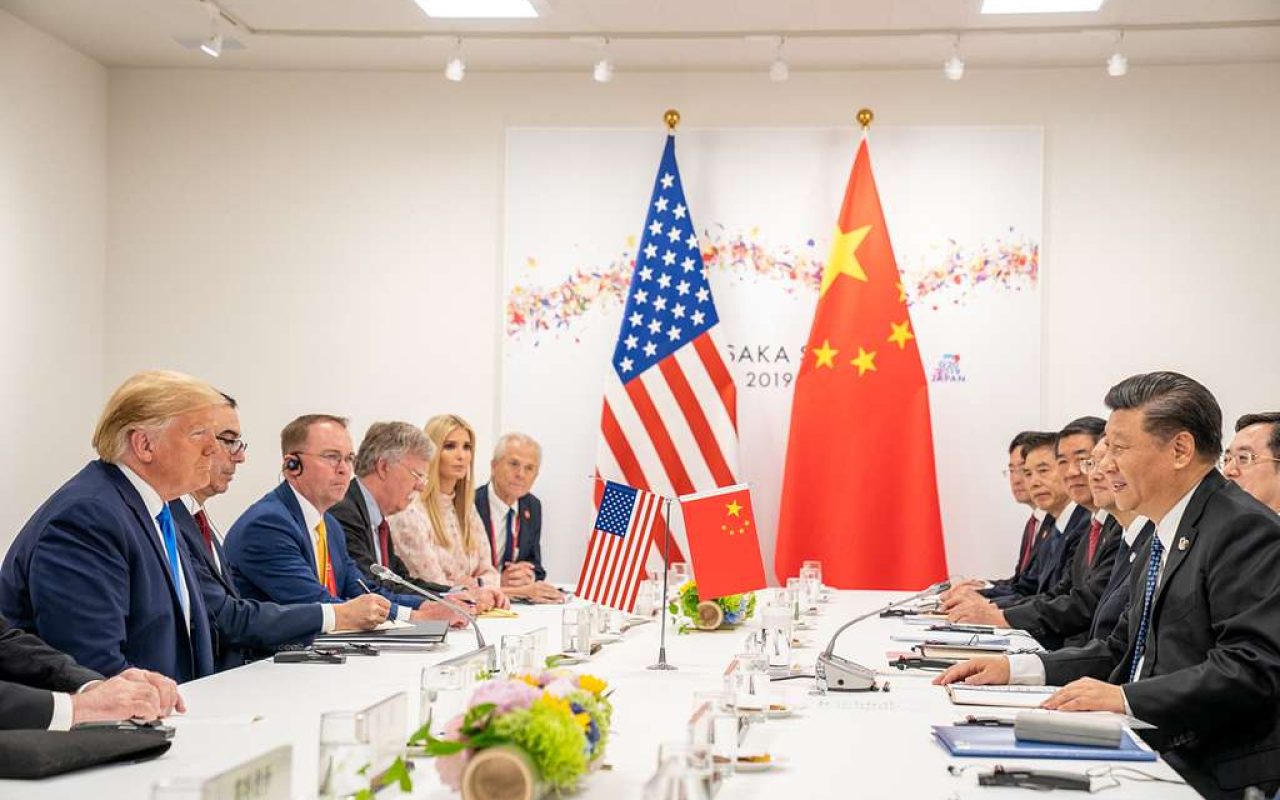
The centerpiece of the recent U.S.–India trade breakthrough is a substantial reduction in tariffs on Indian exports to the United States, reversing a period of heightened trade tension that defined much of 2025. For roughly six months, many Indian goods entering the U.S. market were subject to an effective tariff burden approaching 50 percent. This figure reflected a layered structure: a 25 percent “reciprocal” tariff introduced amid broader trade disputes, combined with an additional 25 percent punitive levy tied to India’s continued purchases of discounted Russian crude oil. The combined duties significantly disrupted bilateral trade flows and created uncertainty for exporters and importers alike.

Under the new interim agreement announced in early 2026, the reciprocal tariff has been reduced to 18 percent. At the same time, U.S. officials confirmed the removal of the Russia-related penalty tariff following diplomatic engagement and policy adjustments. While the 18 percent rate remains higher than pre-dispute levels, it represents a marked de-escalation from last year’s peak and signals a shift toward stabilization in the economic relationship between the two countries.

The rollback materially changes India’s competitive position in the U.S. market. At an 18 percent tariff level, Indian exports now face duties that are broadly in line with, or slightly below, those imposed on several regional competitors across key product categories. During the height of the tariff regime, India was at a distinct disadvantage, particularly in labor-intensive sectors where even small cost differences can influence sourcing decisions. The new structure narrows those gaps and restores a degree of predictability to cross-border trade.

The impact is especially significant for export-oriented industries that were hit hardest by the 2025 escalation. Sectors such as textiles and apparel, gems and jewelry, marine products, and certain manufactured goods experienced notable order cancellations and margin compression as U.S. buyers shifted procurement to lower-tariff markets. Smaller exporters, in particular, faced liquidity pressure as inventories rose and contracts were renegotiated. The tariff reduction offers these industries a potential lifeline, improving price competitiveness and encouraging renewed purchasing commitments from U.S. importers.

However, challenges remain. An 18 percent tariff still represents a meaningful cost burden compared with historical norms, and companies must rebuild supply chains and client relationships that were disrupted during the dispute. Moreover, the agreement is currently structured as an interim framework, meaning longer-term certainty will depend on continued diplomatic cooperation and the successful negotiation of a more comprehensive trade arrangement.

From a broader perspective, the rollback reflects a pragmatic recalibration by both governments. For the United States, easing tariffs may help moderate domestic price pressures in certain imported goods categories while strengthening strategic ties in the Indo-Pacific region. For India, securing reduced duties helps protect export growth at a time when global demand remains uneven.

In sum, the tariff rollback does not restore trade relations to their pre-2025 baseline, but it meaningfully reduces friction and reopens pathways for expansion. Whether this shift marks a durable reset or merely a temporary truce will depend on how both sides manage the next phase of negotiations.


References

Al Jazeera. (2026, February 2). Trump cuts India tariffs to 18% as Modi agrees to stop buying Russian oil. https://www.aljazeera.com/economy/2026/2/2/trump-to-slash-us-tariffs-on-india-from-50-percent-to-18-percent

Reuters. (2026, February 2). US dropping 25% separate tariff on Indian imports after pledge to cut Russian oil, White House says. https://www.reuters.com/world/india/us-dropping-25-separate-tariff-indian-imports-after-pledge-cut-russian-oil-white-2026-02-02
February 2026 recruitment data from Wave shows a strong early-quarter uptick in activity, with job postings up about 39 % compared with late 2025, alongside increased applications and placements — a sign of renewed hiring momentum in several markets.

Despite this overall surge, imbalances persist across industries. Consistent with broader labour-market reports, health-care hiring continues to be a standout driver of job growth, reflecting chronic staffing shortages and rising demand, while other sectors are expanding more slowly.

Recruiters at firms such as Van Der Consulting face evolving challenges around verifying candidate skills for highly technical and fast-changing roles, particularly in AI and emerging tech areas. According to LinkedIn’s January 2026 Labor Market Report, the global job market remains sluggish in some regions with job seekers outnumbering openings and employers placing greater emphasis on skill-based hiring — especially where advanced technical skills intersect with human-centric strengths like communication and problem-solving.

Industry research also supports the idea that workers with AI-related skills continue to command a substantial wage premium. The PwC 2025 Global AI Jobs Barometer found that jobs requiring AI capabilities are associated with an average wage premium of around 56 % compared with similar roles without those skills, and that demand for AI-proficient talent continues to outpace other job growth.

Overall, the labour market in early 2026 is marked by imbalances between sectors, ongoing shortages of specialised talent, and growing returns for workers who combine technical AI skills with strong interpersonal and problem-solving abilities

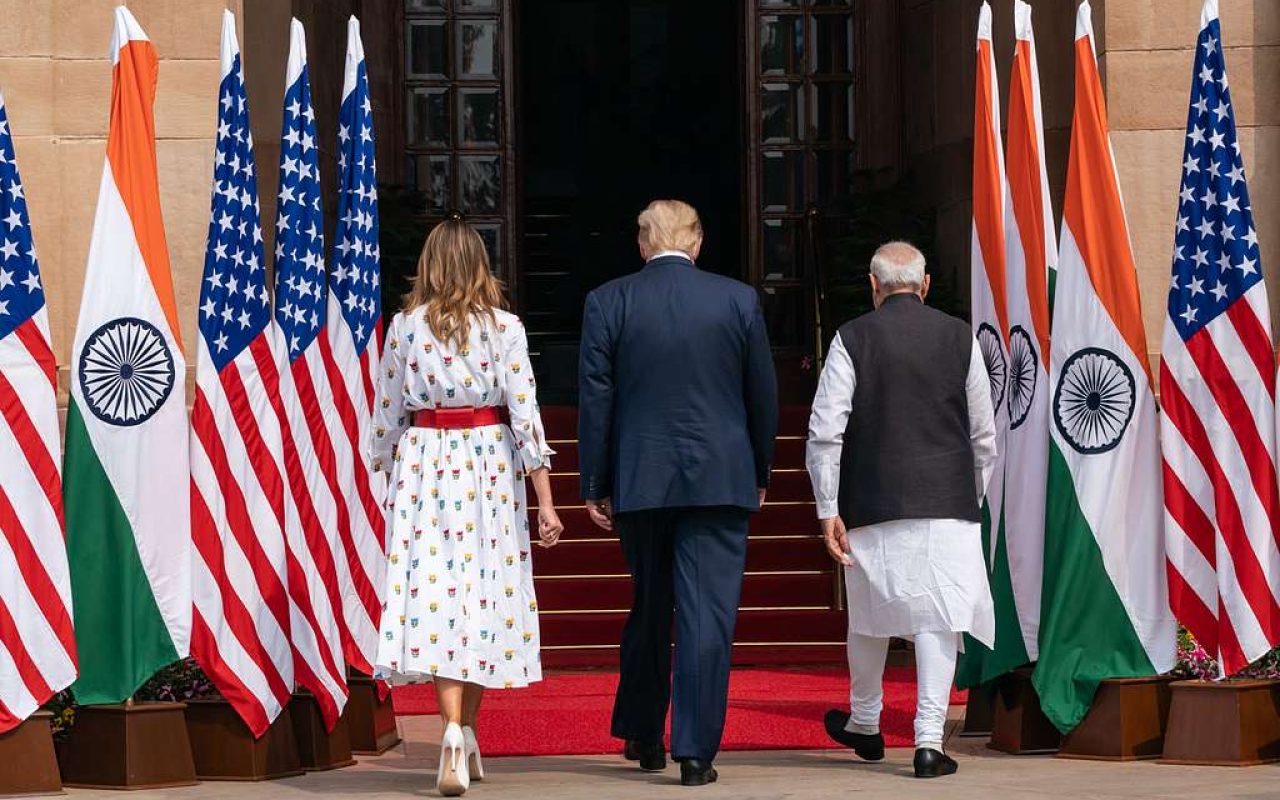
WASHINGTON D.C. / NEW DELHI — The United States and India have announced an interim agreement to ease trade tensions and expand economic cooperation, sparking strong market reactions and strategic debate. Following a call between U.S. President Donald Trump and Indian Prime Minister Narendra Modi on February 2, 2026, both governments confirmed progress toward lowering trade barriers after months of tariff friction.

The central feature of the announcement is a reduction in U.S. tariffs on Indian imports. Washington said it will cut “reciprocal” tariffs on most Indian goods to around 18%, down from an effective levy near 50% imposed during 2025 in response to disputes including India’s energy ties. India has also agreed to cut some of its tariffs and non-tariff barriers on U.S. products, although the full implementing text has not yet been publicly released.

Indian officials have welcomed the tariff rollback as a positive step, noting that reduced duties will help restore export competitiveness in key sectors such as textiles, gems and jewellery and engineering goods that were disrupted by last year’s steep U.S. levies.

As part of the broader deal narrative, the U.S. government highlighted a commitment by India to significantly increase purchases of American products, including energy, technology and agricultural goods, with a total figure often cited around $500 billion over several years. Analysts stress this figure is an aspirational target rather than a legally binding order book, reflecting broader economic cooperation ambitions.

The White House characterized the pact as aligning India more closely with U.S. geopolitical priorities by encouraging a shift away from Russian oil purchases. India’s official statements have been more cautious on this issue, and Moscow has said it has received no formal notification of policy changes. Independent analysts note India’s energy needs are diversified and such a transition would be gradual and conditional on domestic considerations.

Indian stock markets reacted positively, with major indices rising in response to the news. U.S. analysts and policy experts describe the announcement as a confidence-building measure that could unlock longer-term cooperation but caution that details, compliance mechanisms and sensitive sectors, especially agriculture and dairy, remain subject to ongoing negotiation.

While described by officials as a “breakthrough,” observers stress the deal is still in progress rather than fully ratified. Many elements, like the schedule of tariff cuts, regulatory cooperation, and enforcement, have yet to be detailed in a finalized agreement. The current announcement is best understood as an interim framework signaling intent to deepen trade ties as part of a broader economic and strategic alignment.

References

Al Jazeera. (2026, February 3). Modi, Trump announce India-US ‘trade deal’: What we know and what we don’t. https://www.aljazeera.com/news/2026/2/3/modi-trump-announce-india-us-trade-deal-what-we-know-and-what-we-dont

Council on Foreign Relations. (2026, February 3). U.S.-India trade truce announced. https://www.cfr.org/articles/u-s-india-trade-truce-announced

Hindustan Times. (2026, February 3). Trump announces India-US trade deal; tariffs reduced from 50% to 18%. https://www.hindustantimes.com/india-news/india-us-talks-donald-trump-phone-call-narendra-modi-sergio-gor-101770047934666.html

The Hindu. (2026, February 3). India-U.S. trade deal LIVE: Industry welcomes deal, sees tariff cuts boosting growth and competitiveness. https://www.thehindu.com/business/Economy/india-us-trade-deal-the-hindu-live-updates-reactions-details-tariffs-trump-modi-february-3-2026/article70585870.ece

Times of India. (2026, February 3). India-US trade deal: Some key questions that still remain unanswered. https://timesofindia.indiatimes.com/business/india-business/india-us-trade-deal-some-key-questions-that-still-remain-unanswered/articleshow/127888954.cms

A Foundation of
Data and
Foresight

A Foundation of

The contemporary global economic landscape is defined by profound volatility and complex systemic challenges. Events such as escalating geopolitical friction, persistent supply chain fragilities, and rapid technological shifts have fundamentally altered traditional market dynamics. In this environment, effective corporate and governmental strategy necessitates an approach that moves beyond reactive policymaking toward a proactive, theoretically grounded framework capable of anticipating future disruptions and navigating interconnected risks.

Zenith Global Economics (ZGE) addresses this critical demand as a dedicated consulting firm specializing in providing strategic insights and actionable information across the domains of international trade, macroeconomic policy, and regulatory compliance. Our core mission is predicated on empowering multinational corporations, sovereign governments, and non-governmental organizations (NGOs) to anticipate global economic shifts and thereby capitalize on emerging economic opportunities. This approach ensures clients remain competitive amidst rapidly changing regulatory and trade regimes.

The efficacy of global strategy is fundamentally underpinned by rigorous, data-driven analysis and a deep, nuanced understanding of evolving policy mechanisms. ZGE’s methodology synthesizes advanced econometric modeling with practical political context, ensuring that strategic recommendations are both empirically sound and operationally viable. This integrative analytic process is essential for providing clients with the clarity required to manage complex international investments and operational challenges effectively.

By focusing on a predictive framework rather than retrospective evaluation, ZGE delivers tailored solutions specifically designed to optimize market access, substantively mitigate specific trade and operational risks, and foster long-term sustainable growth within the highly interconnected world economy. This commitment to anticipatory strategy secures a robust competitive advantage for clients operating at the nexus of global commerce and political economy.

Our Core Expertise

Strategic intelligence for a dymamic global economy.

Market Access
Strategy

We develop robust strategies for entering new international markets, navigating tariff and non-tariff barriers, and optimizing supply chains to maximize global competitiveness.

Trade Policy
& Advocacy

ZGE provides analysis on evolving trade agreements (WTO, bilateral), advising clients on policy impact and advocating for favorable trade frameworks with key policymakers.

Macroeconomic
Forecasting

Our proprietary models offer precise forecasts on currency fluctuations, GDP growth, and inflation trends, allowing clients to anticipate risks and structure investments effectively.

Geopolitical Risk
Mitigation

We assess and mitigate geopolitical risks that impact trade flows and cross-border investments, ensuring business continuity in volatile political environments.

Ready to Elevate
Your Global
Strategy ?

Connect with Zenith Global Economics today for an initial

consultation on your trade and economic challenges. Our

experts are ready to provide the clarity you need.